

The platform behind your website shapes what it can do, how easy it is to update and how it grows with you. I build on Squarespace, Shopify and custom code, so I don’t have a favourite to push. The right choice depends on your business. Here’s how the three compare, and the questions that usually point to the right one.
The three platforms at a glance
Each platform is a good choice for the right business. Here’s the short version:
Squarespace
- Best for
- Service businesses that want a polished site they can update themselves.
- Everyday updates
- Easy. You can change text, swap photos and add posts yourself.
- Selling online
- Works well for a modest range of products, digital goods or gift cards.
- Extra features
- Built-in tools, plus a range of extensions.
- Hosting and security
- Included and managed for you.
Shopify
- Best for
- Online stores that need products, payments and shipping managed in one place.
- Everyday updates
- Easy for products, collections and store content.
- Selling online
- Built for it, from inventory to checkout.
- Extra features
- A large app store for almost anything a store needs.
- Hosting and security
- Included and managed for you.
Custom-coded
- Best for
- Projects that need full design freedom or features beyond a template.
- Everyday updates
- Depends on how the site is built, so we plan it together first.
- Selling online
- Possible, usually by connecting a dedicated store or payment service.
- Extra features
- Anything you need, such as a members’ portal or an AI assistant.
- Hosting and security
- Arranged separately, as part of the project.
The right platform is the one that fits how your business works, not the one with the longest feature list.
When Squarespace is the right fit
Squarespace is a great home for service businesses, studios and creatives who want a website that looks polished and stays easy to manage. Hosting, security and updates are handled for you, and everyday changes like editing text, swapping photos or adding a blog post don’t need a designer.
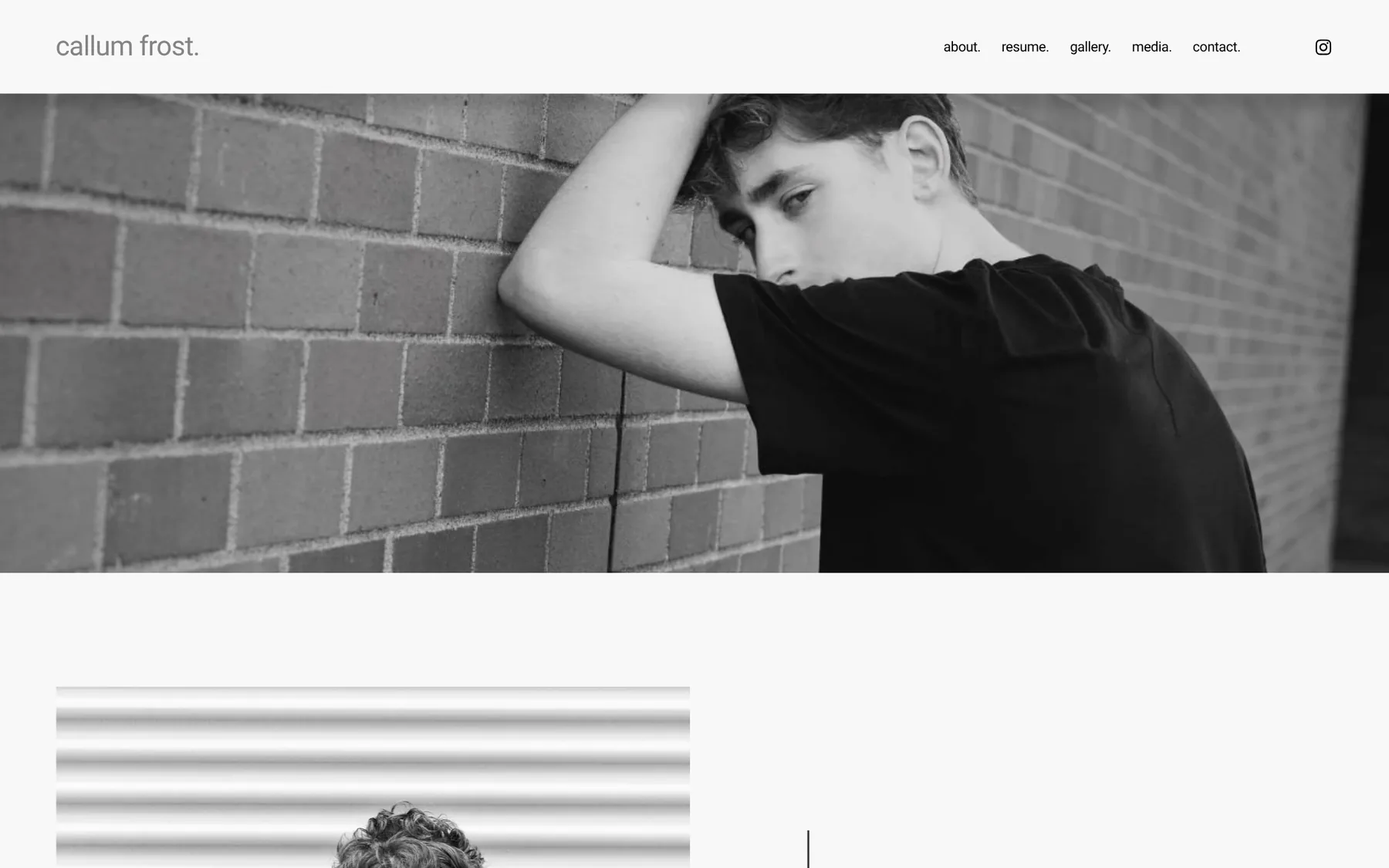
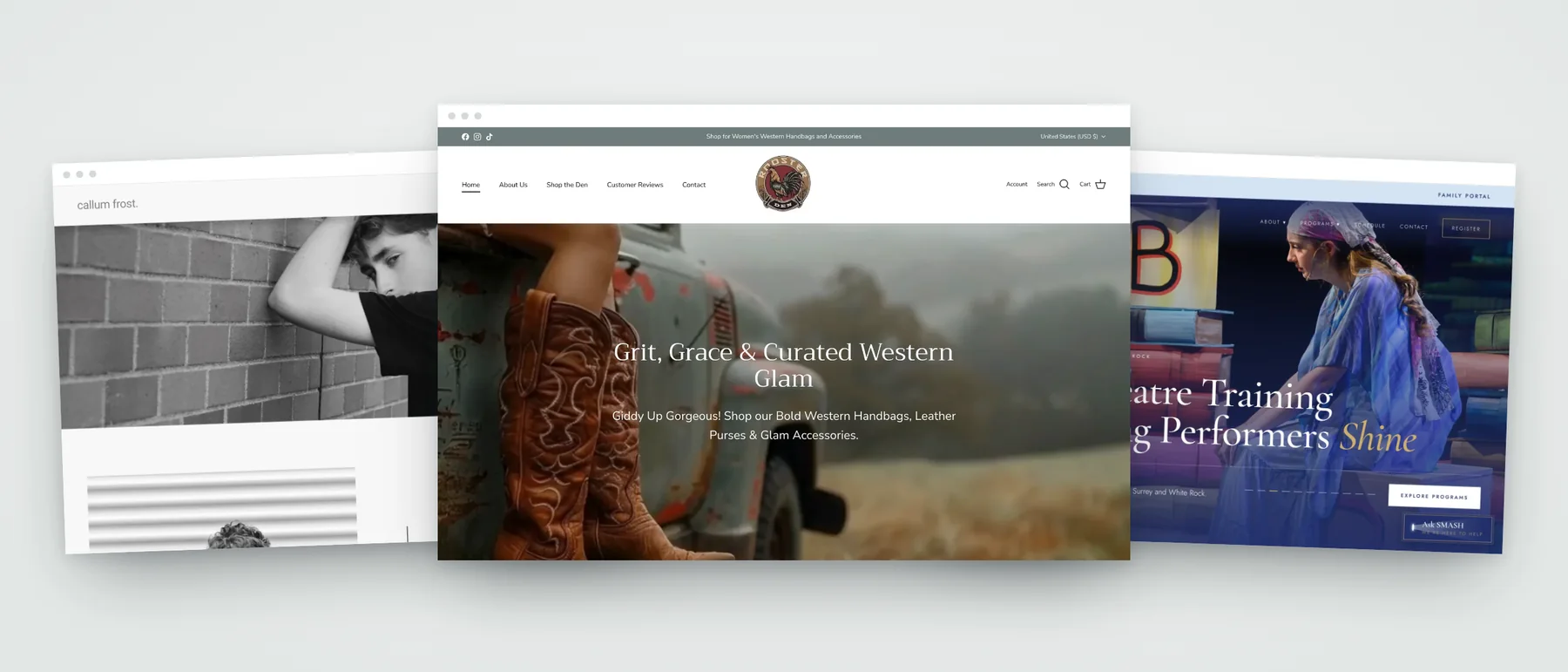
It also handles more than people expect. pARTy With Laura uses it for program pages, booking requests and digital gift certificates, while Callum Frost’s site keeps things simple with headshots, a resume and media.
Where it can feel limiting is with highly unusual layouts or features it wasn’t designed for. Some of those can be added with code or extensions, but if they’re central to your business, it’s worth looking at custom code.
When Shopify is the right fit
If selling products is at the heart of your business, Shopify is built for it. Products, inventory, payments, shipping and orders all live in one system, and there’s an app for almost any extra feature a store might need.
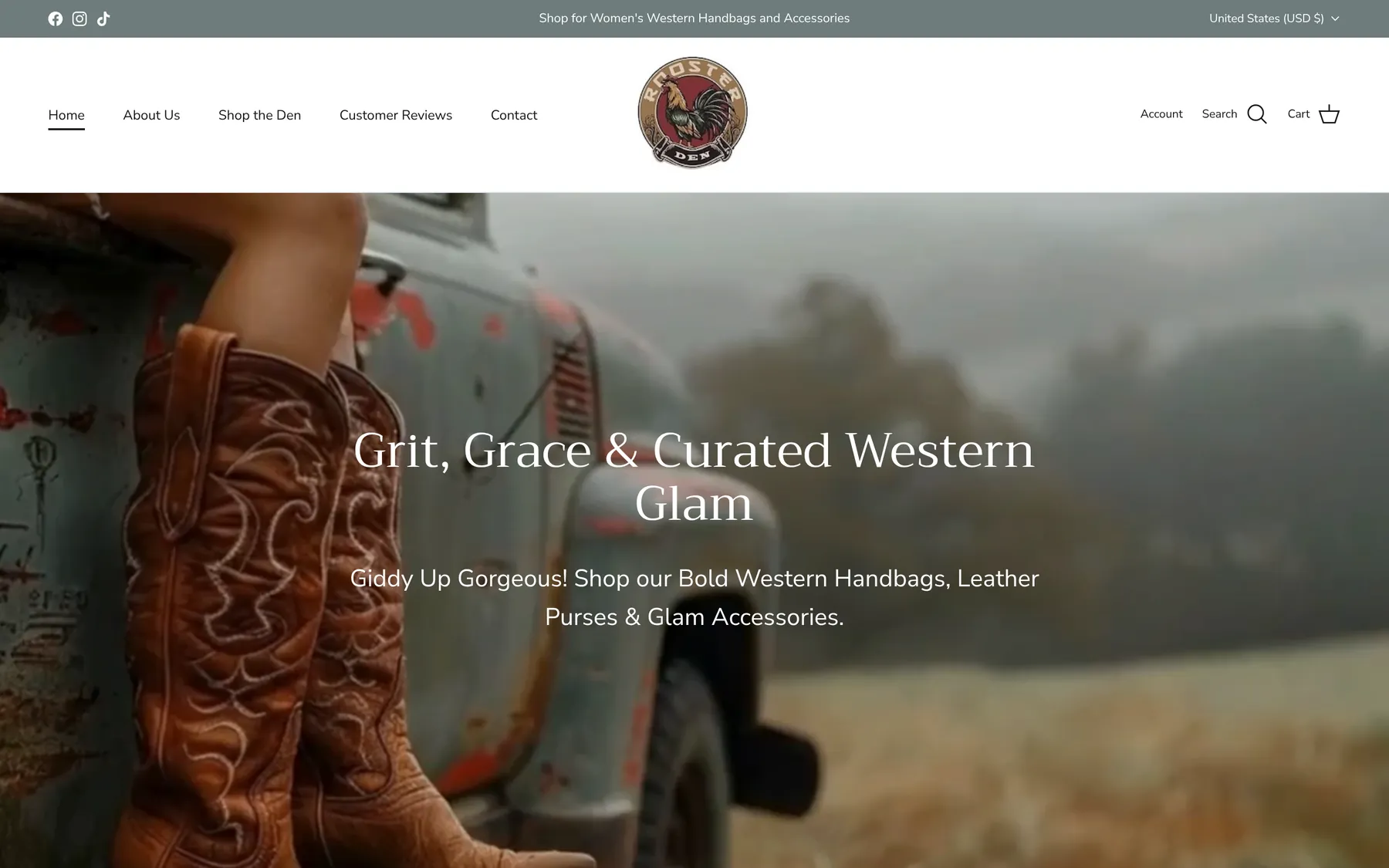
The Rooster Den Co is a good example. The redesign focused on making the store easier to shop, page by page, while the day-to-day running of the business stayed in one place.
Apps can add monthly costs, so it’s worth choosing them carefully. And if your business is mostly services with only a few products, Squarespace may be the simpler choice.
When custom code is the right fit
A custom-coded website is built from the ground up for your business. It makes sense when you need complete design freedom, a feature no template offers or a site that brings several tools together.
SMASH Performing Arts Studio needed a password-protected portal for families and an AI assistant that answers questions about the studio and its programmes. Hamish Ross Real Estate needed a high-end, luxury identity carried from page to page. Both are things a custom build does well.
The trade-off is that editing depends on how the site is built. Some custom sites include an easy way to update content, and others are updated with help. We decide that together before the build starts, so there are no surprises.
Questions that point to the right platform
- Do you sell products online, or mainly services?
- Who will update the website, and how often?
- Do you need anything a template can’t do, like a portal, an AI assistant or a connection to another system?
- How important is complete control over the design?
- Where do you see your business in a few years?
If you’re not sure about some of these, that’s normal. We’ll talk through the options before deciding on a direction.
What about switching later?
Moving a website from one platform to another is often possible. What’s involved depends on where your site is now and where it’s going.
It’s still worth choosing for where your business is heading, not just where it is today. A platform that fits your plans saves you from rebuilding sooner than you’d like.
The bottom line
There’s no single best platform, only the best fit for your business. Squarespace keeps things simple and easy to manage, Shopify is built for selling and custom code gives you complete freedom. Tell me about your business and what you need your website to do, and I’ll recommend the platform that suits it.
Enquire About Your Project