


A website isn’t finished the day it launches. Your business changes, your customers’ questions change and search keeps moving. Ongoing support means someone is looking after your website and marketing so they keep up, without it landing on your to-do list. Here’s what it can include, and how to tell if it’s right for you.
Why a website needs looking after
Information goes out of date quickly: prices, programs, team members, photos and opening hours. An out-of-date page can quietly cost you trust, and search engines tend to favour sites that stay current and useful.
Small, regular attention also keeps little problems from growing, like a broken link, a form that’s stopped sending or a page that no longer reflects how you work.
Website updates
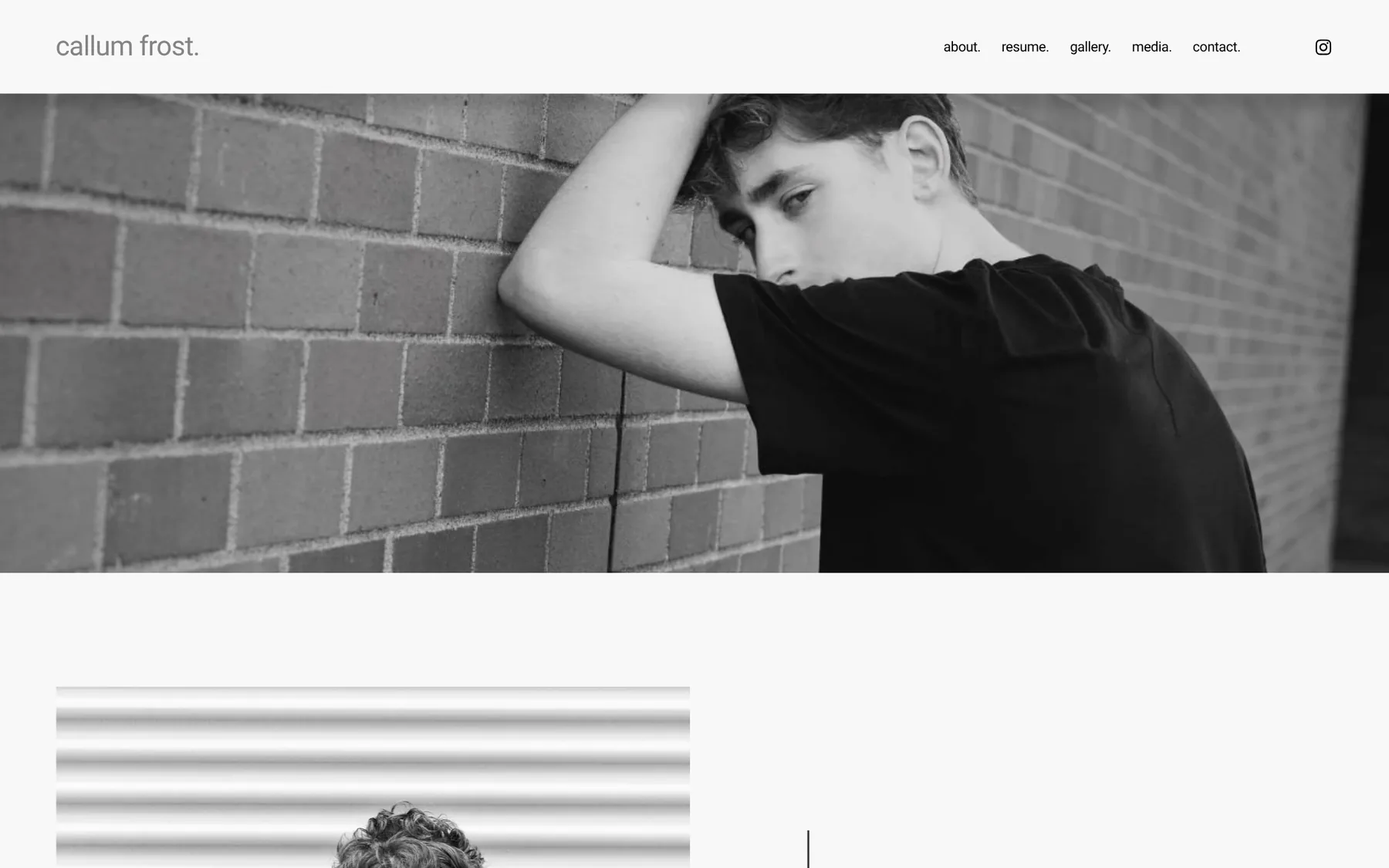
This is the everyday care: new photos, updated text, new pages, seasonal changes and fixes as they come up. For Callum Frost, that means adding his new headshots and resume changes whenever he has them.
SEO and website content
Ongoing SEO builds on the foundations set at launch. It can include planning content around what your customers search for, refining pages that could be clearer and keeping an eye on how your site appears in search. My guide to search and AI covers those foundations.
Blogs and articles can be part of this, too, written around real customer questions rather than posted for the sake of it.
Newsletters
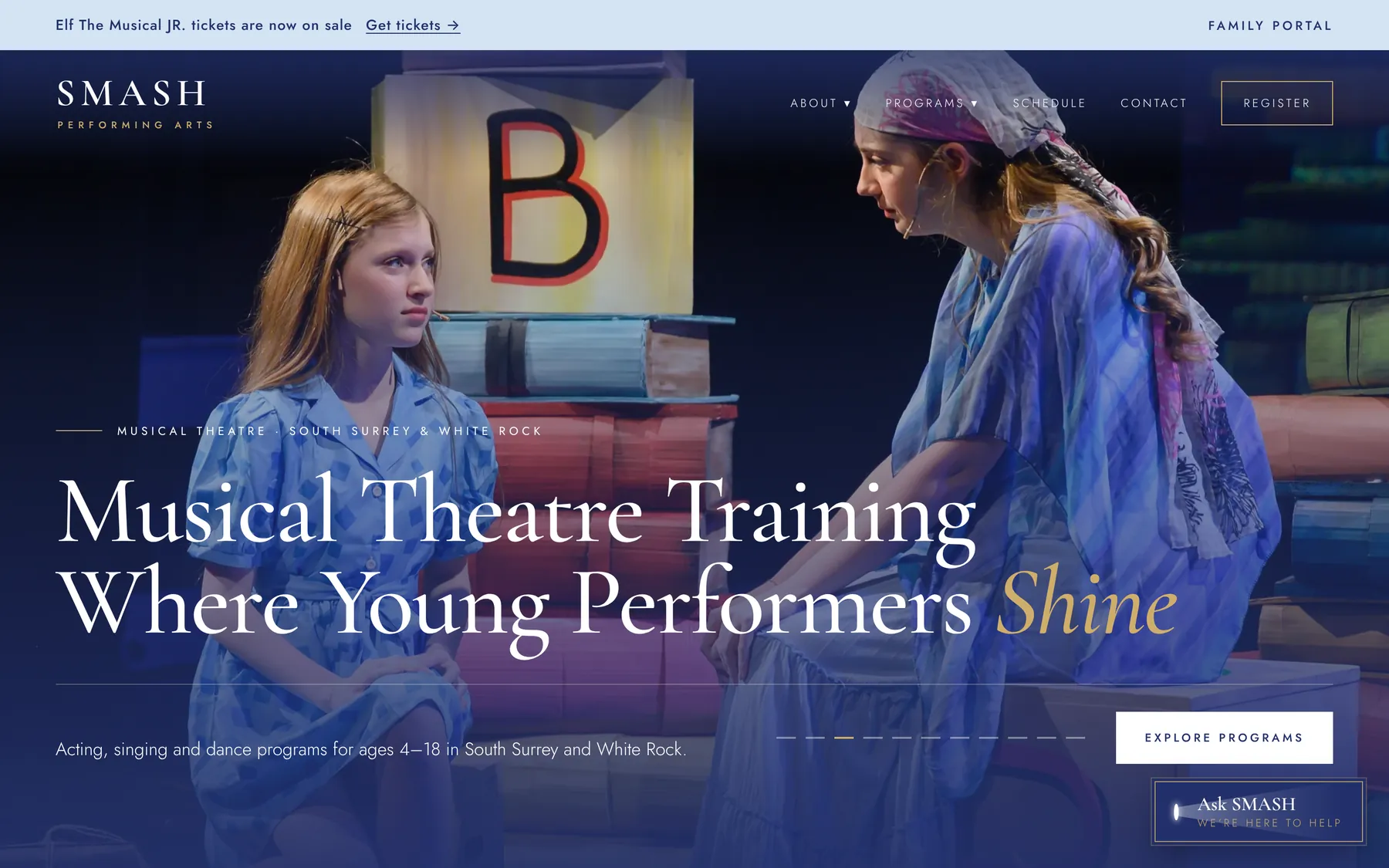
A regular newsletter keeps you in touch with the people who already know you. As part of their ongoing support, I create the monthly newsletters for SMASH Performing Arts Studio, sharing studio news and important dates with families.
Social content and marketing design
Social graphics, ads and printed pieces work best when they clearly belong to the same business as your website. Ongoing support can include designing these regularly, so your marketing stays consistent without you briefing someone new each time.
A website works hardest when someone is paying attention to it.
How ongoing support works
Every business needs something different. We agree on the scope and priorities in advance, so you know what I’m handling and how it supports your wider plans.
It can focus on one area, like monthly newsletters, or bring several together around your business priorities, such as SEO, blogs, social content and website updates.
Signs it might be time
- Your website has information you know is out of date.
- Updates sit on your to-do list for weeks.
- Your marketing looks a little different every time.
- You know SEO matters but don’t have time for it.
- You’d rather spend your time on your actual work.
If you’d rather do it yourself
Ongoing support isn’t for everyone, and plenty of small businesses look after their own sites. If that’s you, a simple routine goes a long way:
- Check your key pages and contact form every month.
- Update photos, prices and dates as soon as they change.
- Look at Search Console now and then for errors or new searches.
- Keep your Google Business Profile hours and photos current.
- Review your main pages once a year to make sure they still reflect your business.
The bottom line
Ongoing support is about keeping your website and marketing moving, so they keep reflecting your business as it grows. If you’d like help with some or all of it, tell me what’s on your plate and we’ll work out the right scope together.
Enquire About Your Project